
Engineering & Validation
From requirement to manufacturing transfer
Every project follows the same five stages. Each stage ends with something you can check: a written requirement, a shortlist, a prototype, test results, a defined process.
Partnership
Process
-
01
Requirement definition
We start from the task, not from a material. Together we write down the current problem, the structure and interfaces, the environment, the targets and how results will be judged.

-
02
Material screening
Candidate formulations and material systems are compared against those requirements in the lab, so only promising options move on.

-
03
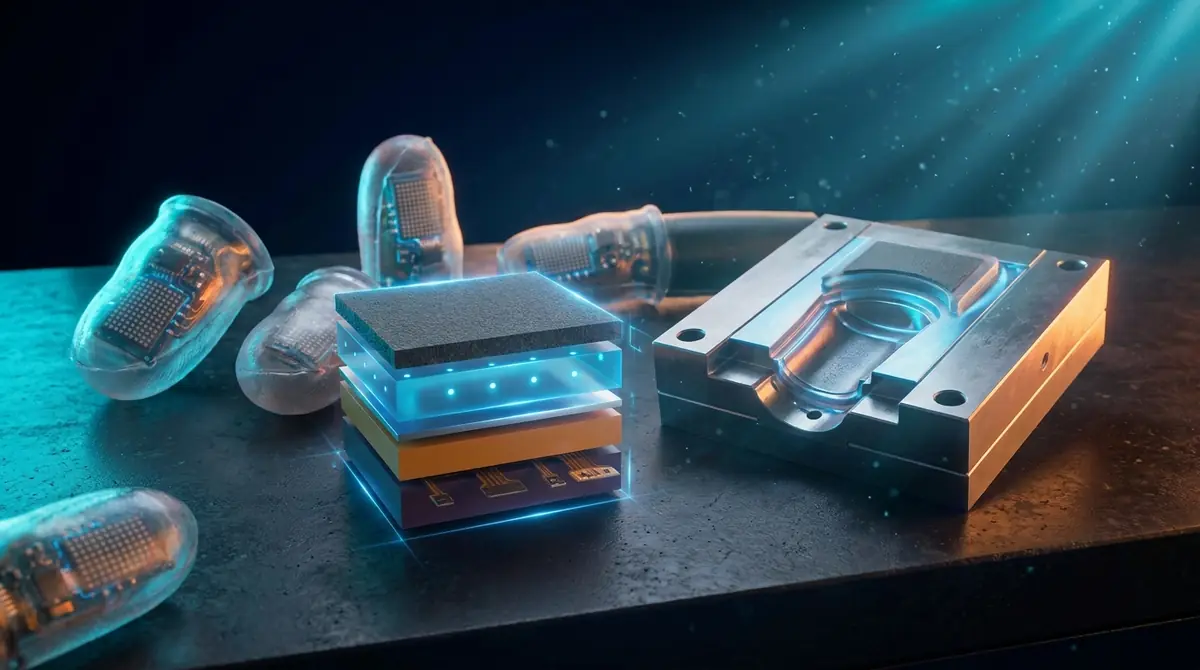
Prototyping
Samples and layered prototypes are made to your geometry and interfaces, including the fixtures needed to test them.
-
04
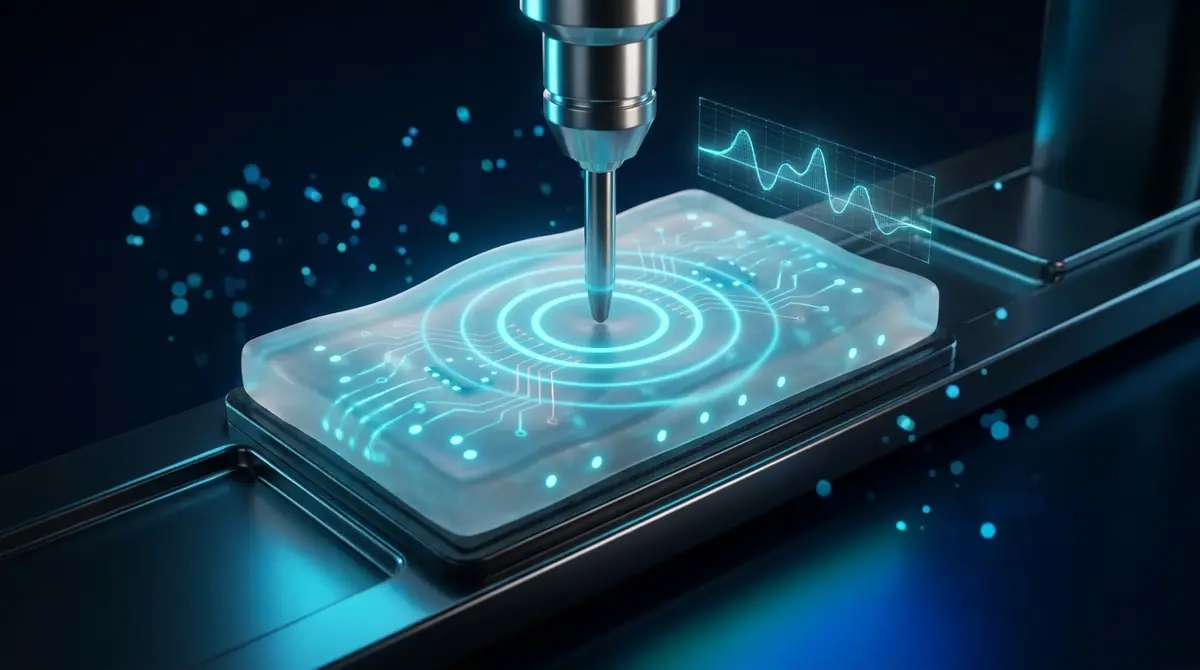
Project validation
Tests run under conditions agreed with you—on our side, on yours, or both. Results go straight into the next iteration.
-
05
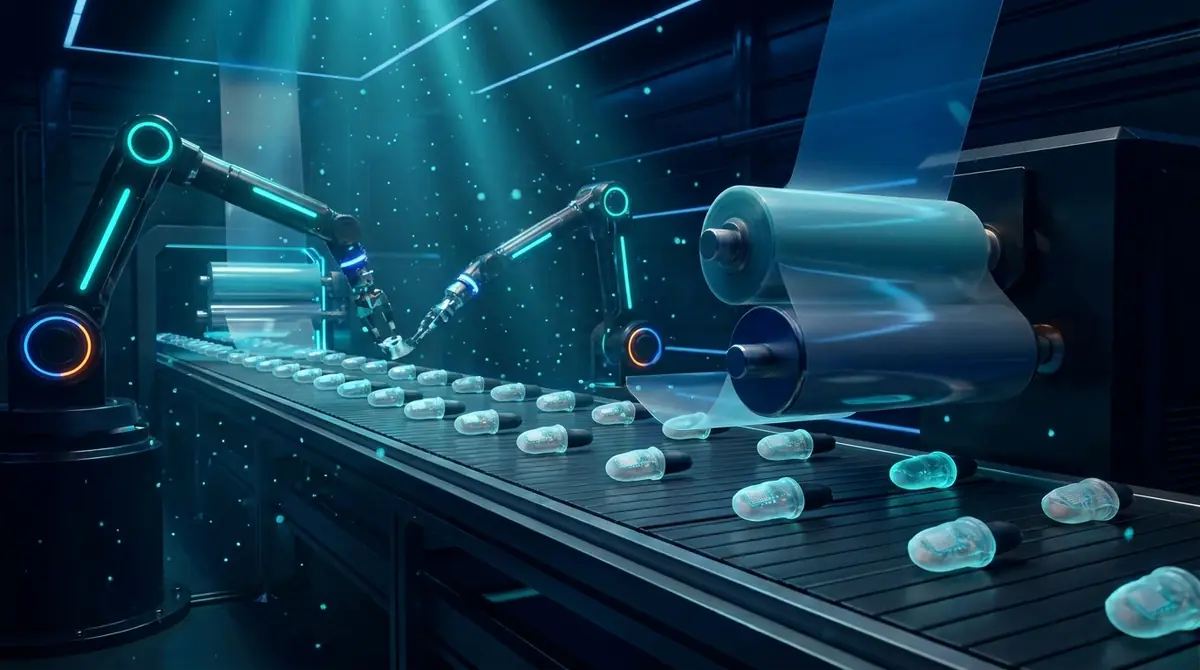
Manufacturing transfer
Once the design is stable we fix the process, prepare small batches and agree the documentation that comes with supply.


Facilities
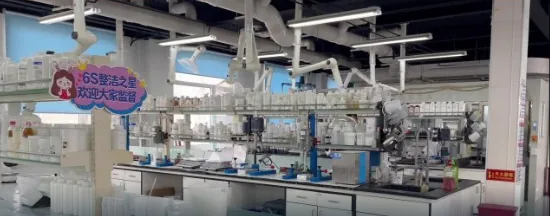
What happens in the lab and on the line
Photos show NEWMAT facilities; renders are schematic.
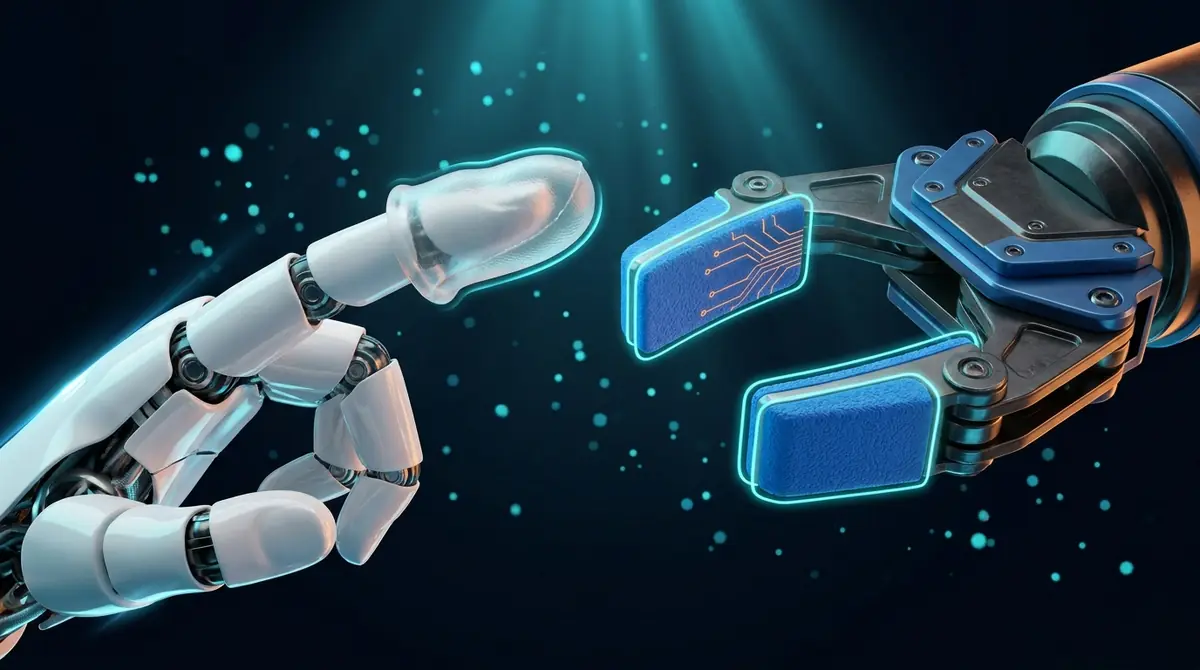
Formulation & material selection
Functional polymer design and material choice for the contact task.
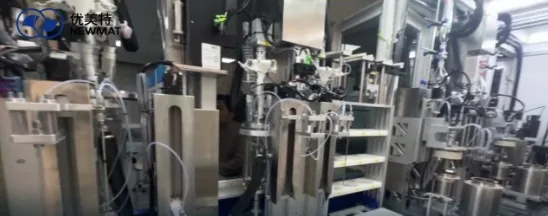
Geometry, interface & process fit
Matching thickness, shape and bonding to your structure, and choosing a process that can be repeated.
Testing, ageing & iteration
Test items and conditions agreed with you; each round informs the next.
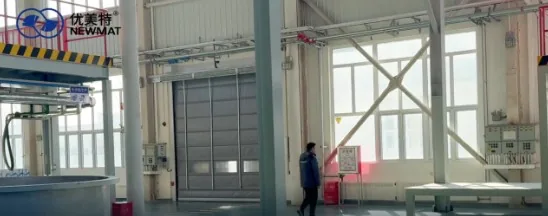
Small-batch readiness & manufacturing transfer
Process definition and preparation for consistent batches.


First conversation
What we ask in a first conversation
A short written description is enough. Drawings and confidential files can wait until there is an agreement in place.
- Application task — what the robot, gripper or glove has to do
- Current problem — what fails, wears or limits you today
- Structure & interfaces — where the material sits and what it attaches to
- Environment — objects, forces, temperature, liquids, cleaning
- Targets & validation method — what “good enough” means and how you will test it
FAQ
Frequently asked questions
Can we sign an NDA first?
Yes. If confidential technical information needs to be exchanged, we can agree on an NDA before you share it. For a first conversation, a description of the application and the problem is usually enough.
How does sample evaluation work?
Where samples exist for a capability area, we agree what will be evaluated and how, then send samples matched as closely as possible to your structure. Availability and timing depend on the project.
What is in scope for NEWMAT?
Contact materials, material modules, replaceable contact parts, and the process and validation work around them. Sensor electronics, perception algorithms and robot control stay with you or your specialist partners.
How are timelines set?
After requirement definition we propose a plan for the first iteration. Lead times, costs and acceptance criteria are agreed per project; we do not quote fixed turnaround times.
Contact
Ready to build a better tactile interface?
Start with the task and the problem you are seeing. No drawings or confidential files are needed for a first conversation.
zhangxiaochen@newmater.cn